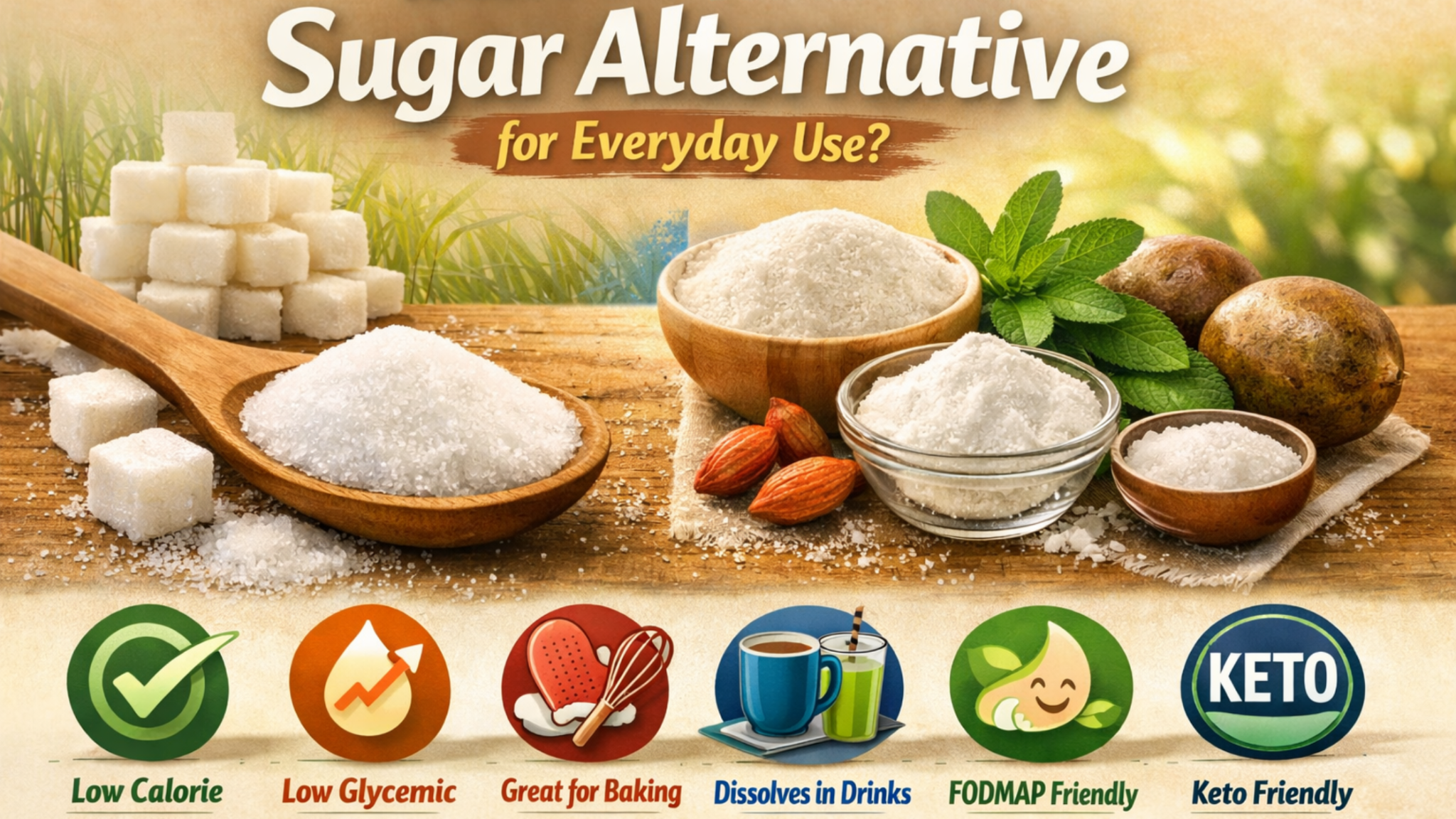
- 1 Taste and texture matter most for daily use—the ideal sweetener closely mimics conventional sugar without aftertaste, bitterness, or altered flavor
- 2 Low glycemic index prevents blood sugar spikes—high-GI sweeteners increase the risk of insulin resistance, weight gain, and type 2 diabetes over time
- 3 Heat stability is essential for cooking and baking—some sweeteners like stevia and aspartame break down at high temperatures, losing sweetness and structure
- 4 Allulose checks every box—zero GI, low calorie, FODMAP-friendly, keto-compatible, heat-stable, and does not trigger sugar cravings
Changing your dietary habits is one of the most effective ways to manage weight and support long-term health. What you eat, how you eat, and when you eat have a direct influence on your metabolism, energy levels, and health. As it is widely used—187.9 million metric tons of sugar were produced in the 2024 crop year—conventional sugar has become an ingredient of interest when thinking about making healthier dietary choices.
There are some health risks associated with the excessive consumption of traditional sugar. However, many sugar alternatives also carry risks. For example, erythritol and sucralose may cause gastric distress. Moreover, while some sweeteners are excellent baking sweeteners, they may trigger sugar cravings—stevia powder is one such example.
To choose an everyday sugar alternative, you need to understand what to look for in “the healthiest sugar alternative for everyday use.”
What Makes a Sugar Alternative Healthy for Daily Use?
The following are the essential factors you need to consider to choose the right sweetener for everyday use:
Taste and texture play a major role in whether a sugar alternative can realistically be used every day. The sweetener should closely mimic the sweetness of conventional sugar without leaving an unpleasant aftertaste, bitterness, or artificial flavor. It should not alter the natural taste of food or beverages. A perfect sweetener for everyday use blends smoothly, dissolves easily, and maintains a familiar texture that works well in both hot and cold applications.
Traditional sugar has 4 calories per gram. Most sugar alternatives are zero or low-calorie sweeteners, reducing overall calorie intake without sacrificing sweetness. Low-calorie sweeteners also have a smaller impact on blood sugar levels, making them a better choice for weight management and metabolic health.
The glycemic index (GI) measures how quickly a food raises blood sugar levels after consumption. Foods with a high glycemic index cause rapid spikes in blood glucose, followed by sudden drops in energy levels.
Regular consumption of high-GI sweeteners can increase the risk of insulin resistance, weight gain, and type 2 diabetes over time. Low GI sweeteners support better blood sugar control and long-term metabolic health.
The sugar alternative should remain stable at high temperatures without breaking down or losing its sweetness. Heat stability is especially important for cooking, baking, and hot beverages. Some sweeteners, such as stevia and aspartame, are unstable at high heat. The sweetener should add volume, moisture, and structure—just like traditional sugar.
From coffee and tea to smoothies and energy drinks, people use traditional sugar in a variety of beverages. A good everyday sugar alternative should dissolve easily in both hot and cold liquids. It should not leave a gritty texture. It should also maintain a clean, natural taste when mixed, allowing the flavors of the drink to shine without any artificial aftertaste.
Certain sweeteners, such as erythritol, can cause bloating, gas, or stomach discomfort in individuals with irritable bowel syndrome (IBS) and other digestive issues. This often happens because some sugar alternatives contain fermentable carbohydrates known as FODMAPs. A FODMAP-friendly sweetener is low in fermentable carbohydrates, allowing it to be consumed without triggering digestive issues.
Keto is a low-carb, high-fat diet that encourages the body to burn fat for energy instead of carbohydrates. Consuming sweeteners with hidden carbs or high glycemic impact can quickly disrupt ketosis and stall progress. A keto-friendly sweetener must have negligible net carbs and no impact on blood sugar or insulin levels.
Even low-calorie sweeteners, such as aspartame, can trigger an appetite response, making it harder to maintain healthy eating habits over time. The ideal sugar alternative should help control appetite rather than stimulate it, supporting long-term weight management goals.
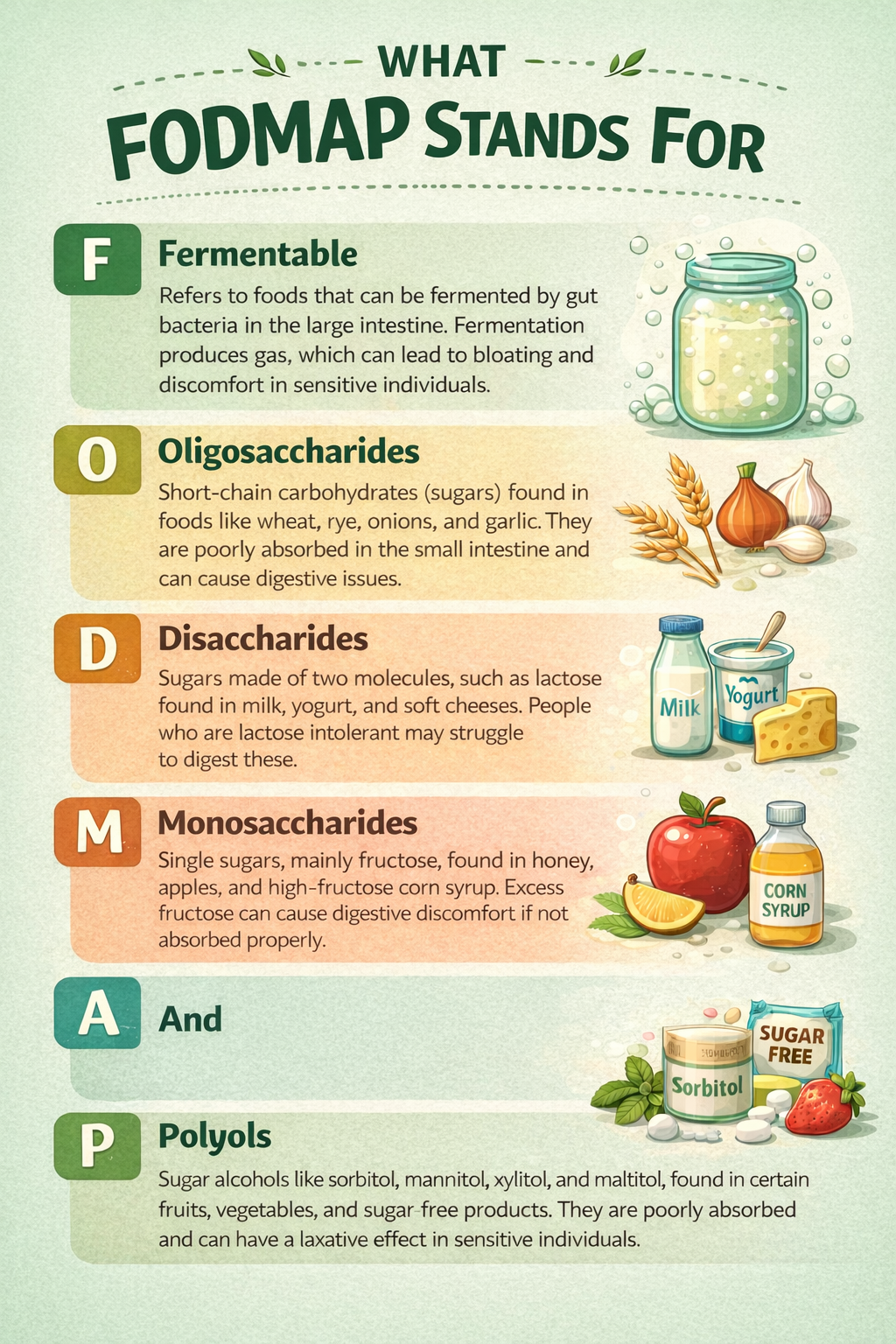
FODMAPs are short-chain carbohydrates that can cause digestive discomfort. A FODMAP-friendly sweetener like allulose avoids these issues entirely.
a healthier everyday alternative
Allulose Rare Sugar — The Ideal Everyday Alternative
Allulose sweetener is a perfect traditional sugar alternative for everyday use. It is not only diabetic-friendly but also helps control appetite. You can use this FODMAP and keto-friendly sweetener for cooking and baking as well. Jaca allulose is an FDA-GRAS sweetener with 30 years of clinical data to support it.
Unlike other sweeteners that may excel in one area but fall short in others, allulose meets every criterion for daily use: it tastes like sugar, has only 0.4 calories per gram, has a zero glycemic index, remains stable at high heat, dissolves easily in beverages, is gentle on the digestive system, supports ketosis, and helps control appetite through GLP-1 activation.
- ✓ Zero Glycemic Index – No blood sugar spikes, safe for diabetics
- ✓ 0.4 Calories Per Gram – 90% fewer calories than traditional sugar
- ✓ FDA GRAS Recognized – Generally Recognized As Safe with 30 years of clinical data
- ✓ Heat Stable – Perfect for cooking, baking, and hot beverages
- ✓ FODMAP & Keto Friendly – No digestive distress, no disruption to ketosis
- ✓ Appetite Control – Activates GLP-1 to help reduce hunger and sugar cravings
Jaca vs Other Sweeteners
Jaca allulose sugar is developed by Healthy For Life Foods, which is at the forefront of a nutritional revolution, transforming the sweetener industry. Here’s how common sugar alternatives compare on the factors that matter for everyday use:
| Factor | Jaca Allulose | Stevia | Erythritol | Aspartame |
|---|---|---|---|---|
| Tastes Like Sugar | ✓ | Bitter aftertaste | Cooling effect | Artificial taste |
| Low Calorie | 0.4 cal/g | 0 cal/g | 0.2 cal/g | 0 cal/g |
| Glycemic Index | 0 | 0 | 0 | 0 |
| Heat Stable | ✓ | ✗ | ✓ | ✗ |
| Beverage-Friendly | ✓ | Aftertaste | Gritty | ✓ |
| FODMAP-Friendly | ✓ | ✓ | ✗ | ✓ |
| Keto-Friendly | ✓ | ✓ | ✓ | ✓ |
| Controls Appetite | ✓ (GLP-1) | May trigger cravings | Neutral | ✗ Triggers appetite |
The Everyday Sugar, Reimagined
Jaca is 100% pure allulose—the rare sugar that tastes like the sugar you grew up with, at 90% fewer calories and zero glycemic impact. Cook with it. Bake with it. Stir it into your coffee. Every day.
"The latest data suggests that Allulose is different from other sugars in that it is not metabolized by the human body in the same way as table sugar. Allulose has fewer calories, produces only negligible increases in blood glucose or insulin levels, and does not promote dental decay."
The Bottom Line
The healthiest sugar alternative for everyday use isn’t just about low calories or zero glycemic index in isolation—it’s about a sweetener that excels across every dimension of daily life. It needs to taste great, work in your kitchen, dissolve in your drinks, respect your digestion, support your diet goals, and help you stay in control of cravings.
Allulose is the only sweetener that meets all of these criteria, and Jaca rare sugar delivers it in its purest form—100% allulose, FDA GRAS recognized, backed by 30 years of clinical data. The healthiest sugar alternative isn’t a compromise—it’s Jaca.
Frequently Asked Questions
What is the healthiest sugar alternative for everyday use?
Allulose is considered one of the healthiest sugar alternatives for everyday use. It has zero glycemic index, only 0.4 calories per gram, is FODMAP-friendly, keto-compatible, heat-stable for cooking and baking, and does not trigger sugar cravings. Jaca allulose is 100% pure allulose with FDA GRAS recognition.
What should I look for in a daily sugar substitute?
The key factors for an everyday sugar substitute include: taste and texture that closely mimic real sugar, low or zero calories, a low glycemic index, heat stability for cooking and baking, ability to dissolve in beverages, FODMAP-friendliness for digestive comfort, keto compatibility, and no appetite-stimulating effects.
Is allulose safe for diabetics?
Yes. Allulose has a glycemic index of zero and does not raise blood sugar or insulin levels. It is FDA GRAS recognized and backed by 30 years of clinical data, making it a safe choice for people managing diabetes.
Can I cook and bake with allulose?
Yes. Unlike stevia and aspartame which break down at high temperatures, allulose remains stable under heat, retaining its sweetness and providing the volume, moisture, and structure needed for cooking and baking. It performs like traditional sugar in recipes.
What does FODMAP stand for?
FODMAP stands for Fermentable Oligosaccharides, Disaccharides, Monosaccharides, And Polyols. These are short-chain carbohydrates that can cause bloating, gas, and stomach discomfort in sensitive individuals. Allulose is FODMAP-friendly and does not cause these digestive issues.
Does allulose trigger sugar cravings?
No. Unlike some low-calorie sweeteners such as aspartame that can trigger appetite responses, allulose helps control appetite. It activates GLP-1, a hormone that supports satiety and weight management, making it easier to maintain healthy eating habits.
How does Jaca allulose compare to other sweeteners?
Jaca allulose is 100% pure allulose developed by Healthy For Life Foods. It checks every box for an everyday sweetener: zero glycemic index, 0.4 cal/g, FDA GRAS status, heat stability, FODMAP and keto friendliness, natural taste with no aftertaste, and appetite control through GLP-1 activation.